
Cybersecurity Knowledge Base
Welcome to the Lean Security Knowledge Base. This is our home for expert, actionable insights drawn from over 17 years of hands-on, real-world penetration testing.
We go beyond generic advice to give you the practical, in-the-field guidance you need to secure your platform, build trust with your clients, and meet your compliance goals (like ISO 27001, PCI DSS, and tender requirements).
Latest Threat Briefings & Analysis
Our feed of the latest Australian threat intelligence, new adversary TTPs, and compliance updates.
Browse by Topic
Find the expert content most relevant to your technology and compliance goals.
Vulnerability Deep Dives
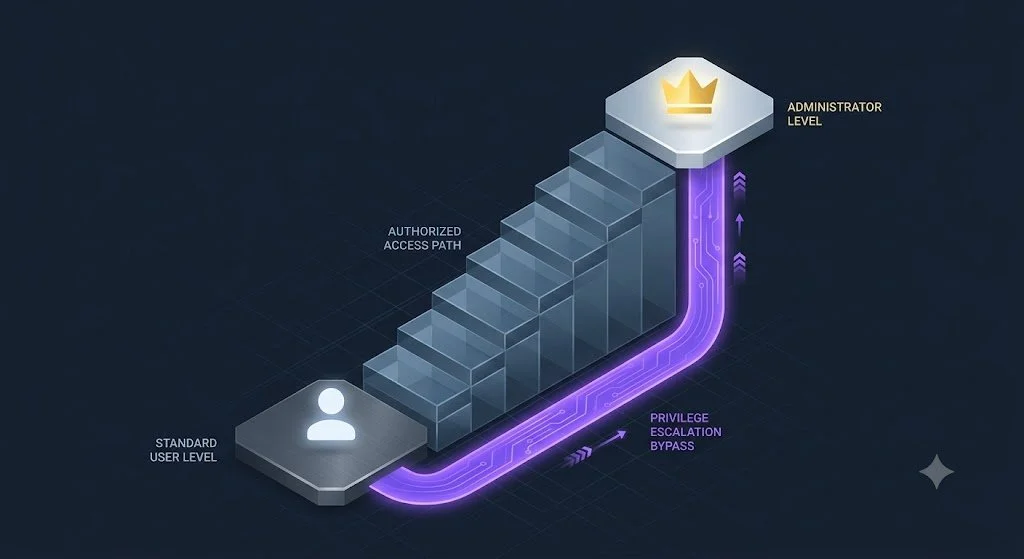
Technical breakdowns of the flaws we find in the wild. We explain the risk, the exploit, and the code-level fix.

Industry & Market Security
Tailored security strategies for your specific sector's compliance and threat landscape.









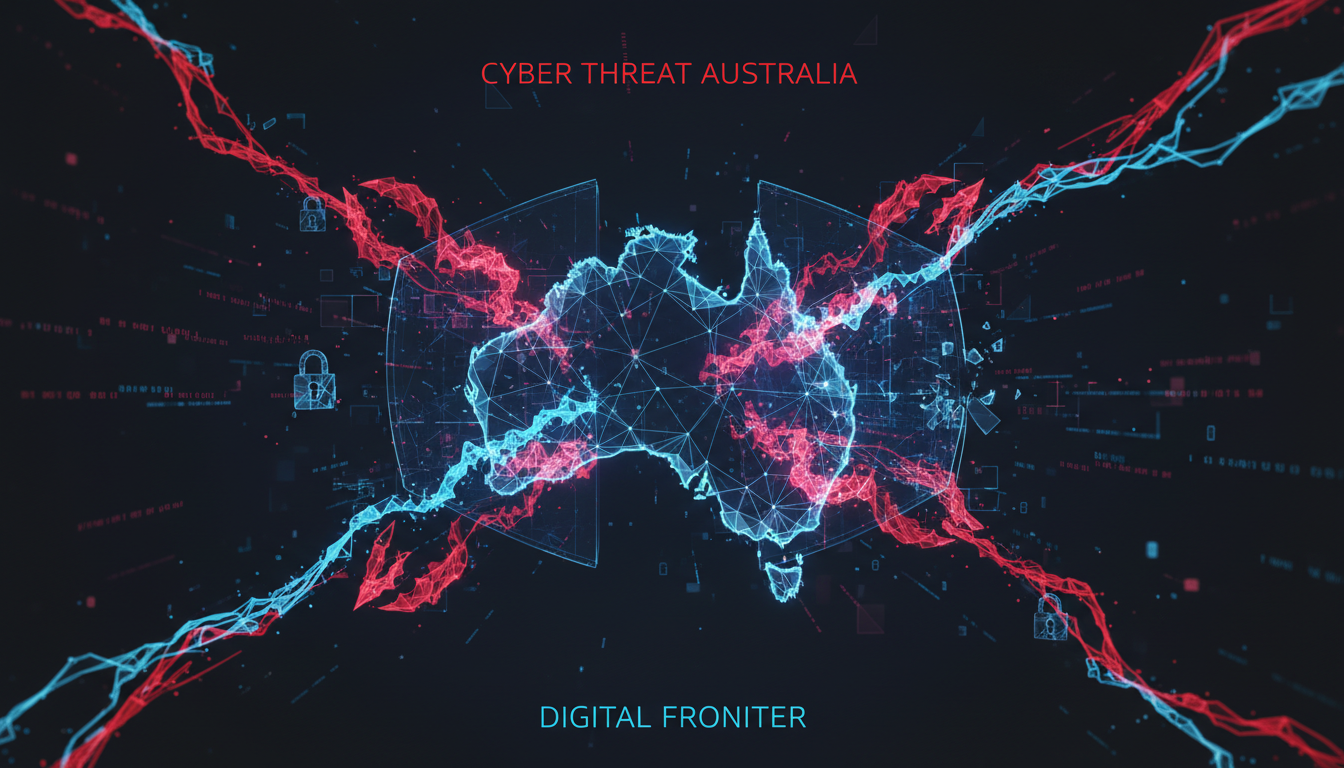
weekly threat reports
Our feed of the latest Australian threat intelligence, new adversary TTPs, and compliance updates.



Ready to Secure Your Platform?
Our insights are based on our real-world testing. If you're ready to go beyond theory and get a practical, expert-led assessment for your platform, we're here to help.
Recent high-profile data breaches targeting SaaS platform customers weren't a failure of the platform, but a critical lapse in customer-side cloud security configuration. This analysis breaks down the attack chain and provides a clear solution for CISOs to validate their defence and report with confidence to the board.