
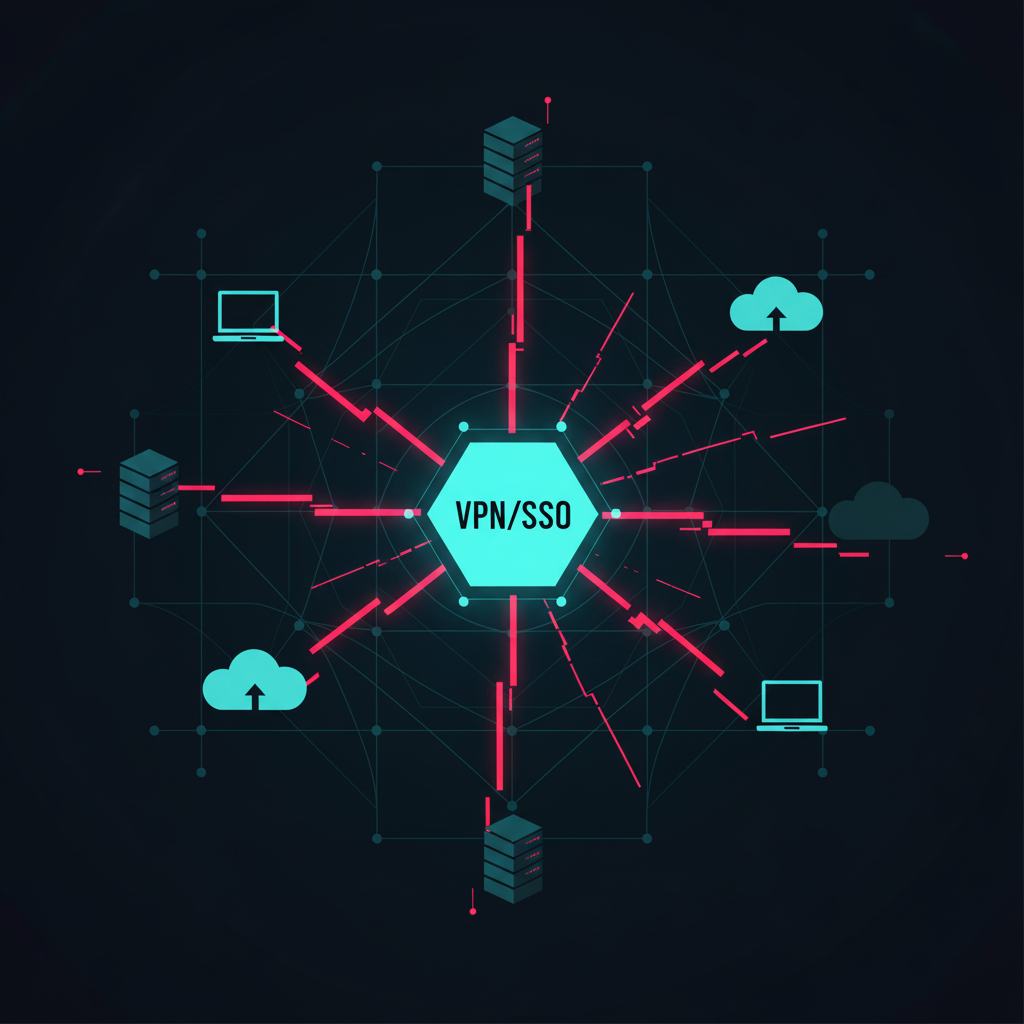



3 Cybersecurity Tips for Remote Workers to Protect Sensitive Company Data
The following are some helpful tips that employees can use to protect themselves against data breaches:

In a post-COVID-19 outbreak world, a major part of the workforce is working from home as a precautionary measure. This step was taken to balance business operations with employee health and safety.
There have been growing concerns about the security of organisational data and networks. As more and more entities open up private networks to home access, the risk of malware and phishing attacks successfully breaching security measures mounts.
For many companies, this is their first time working remotely—which means that their networks might not be ready to deal with a cyberattack or data breach. While companies must build a secure network, it is also essential for their employees to take precautions against cyberattacks.
The following are some helpful tips that employees can use to protect themselves against data breaches:
Use A Password Manager
A password manager is an incredible way to keep the team's online presence, activities, and passwords secure. These password management systems enable the safe sharing of passwords among teams. They also provide safe remote access to all team members.
Two-Factor Authentication Is A Life Saver
Many companies use cloud-based platforms to access business software. It enables effortless sharing and seamless collaboration.
However, the downside of using a cloud-based system is that it’s much easier for hackers to access your system and information. The risk increases when most employees have weak or shared passwords that can be guessed easily.
In such scenarios, enabling two-factor authentication across the board becomes crucial. Two-factor authentication is a security feature that requires users to enter a unique code that will be sent to their phone or emails when they log in to the company's network. Once implemented effectively, it'll make it almost impossible for unauthorised users to access the network.
Implementing Endpoint Protection Software
Securing all endpoints—like the end user’s tablets, laptops, and mobile devices—is a critical step in protecting your company's network. These endpoints often serve as access points to the company's network, which can be exploited by people who mean harm.
Securing endpoints becomes even harder when employees are working remotely. This means that all the endpoints aren't contained within the physical space of the company's office. This calls for the implementation of endpoint protection software.
These types of software configure application controls that secure all the devices that are allowed to access the network, block any risky activities, and control all endpoints.
If you’re looking to secure your company’s network while working from home, get in touch with our team at Lean Security. We provide a range of services to protect your network, including advanced web security testing, mobile app security testing, and penetration testing. You can get in touch with us to learn more!
Understanding the Art of Penetration Testing: FAQs Answered
In this blog, we’ve answered a few of the most frequently asked questions about Penetration Testing. Have a look!
While modern technology has made life easier, it has also opened up the world to a range of cyber threats and technological hardships that we never could’ve imagined. Who could’ve imagined a decade ago that an unsecured Wi-Fi network could help a hacker gaining access to your networking system?
But modern problems require modern solutions, so behold—penetration testing!
From identifying the weakness of your network and IT systems to ensuring that sensitive information flows through secure channels, penetration testing protects you from a range of security vulnerabilities.
To make it easier for you, we’ve answered a few of the most frequently asked questions about Penetration Testing. Have a look!
What Is Penetration Testing?
A penetration test is a method to evaluate the effectiveness of an organization’s security controls. The test is performed under controlled conditions where stimulations of various cybersecurity threats scenarios are introduced to assess if IT and network systems can protect sensitive data, confidential information, and a company’s intellectual property.
The test uses a strict methodology to assess the shortcomings of a system and outlines them in a detailed report, along with recommendation on how to implement countermeasures.
What Are The Goals Of A Penetration Test?
A penetration test differs based on the scope of the review. But generally speaking, a penetration test is conducted to validate the effectiveness of the security controls that protect your system and assets.
How Is It Different Form Automated Vulnerability Scan?
While both penetration tests and vulnerability scans are effective tools in managing vulnerabilities, their methodology is different.
A vulnerability scan is an automated, effective, and low-cost method of testing common network and server vulnerabilities. However, while it can identify common service misconfigurations and other weaknesses, it can’t verify the impact on the system if these vulnerabilities were exploited.
On the other hand, a penetration test takes a holistic approach and goes one step ahead by demonstrating how a hacker may gain access to sensitive information. This allows organizations to assess the potential repercussions of their security shortcomings.
Why Should You Hire Penetration Testing Services?
Apart from identifying vulnerabilities, there are various reasons why you should hire penetration testing services. Here are a few of them:
· It allows companies to identify any new vulnerabilities in their system proactively
· It aids development teams by streamlining the use of web applications
· It demonstrates a commitment to security that your business’ clients will value
If you’re looking to hire penetration testing services, don’t settle for anything less than the best!
At Lean Security, we use premier web security assessment technology to offer effective penetration testing services to all our clients. Our network vulnerability assessment helps you mitigate the risks of losing sensitive information and various other cybersecurity threats.
Find out more about our services here.
Top Cybersecurity Challenges of Managing a Remote Workforce
Before you set up your work desk in your house, take a look at a few cybersecurity challenges that you and other remote workers should look out for
The coronavirus has disrupted lives as we know it—and as much as we’d hoped that it would only affect certain aspects of it, we’ve been mistaken. From our social life to our work life, all our interactions have suffered due to the unprecedented onset of this disease; and all we can manage to do is mitigate the effects as best as we can.
Organizations and businesses have resorted to working from home to ensure the safety of their employees. While having a borderless workforce that telecommutes from the comfort of their own homes is a plus for some companies, especially small business, there’s always a threat to the tons of sensitive data that remote employees are working with.
So before you set up your work desk in your house, take a look at a few cybersecurity challenges that you and other remote workers should look out for.
Accessing Sensitive Data through an Unsafe Wi-Fi Network
If your employers are connecting to their home wireless networks or accessing important email accounts through an unsecured public Wi-Fi, the chances are that malicious actors, like cybercriminals, could harvest confidential information.
To prevent this from happening, remote employees must use a safe VPN connection.
Using a Personal Device for Work
Now that employees are instructed to work from home, most of them are using their personal devices to communicate with clients, send emails, manage corporate accounts, and everything else that their job entails.
However, one misstep, like using software that isn’t up to date, can open up holes in your security and make the acquisition of sensitive company information all the more easy.
Insecure Passwords and Phishing Scams
Simple passwords are incredibly easy to hack, especially if a worker uses the same one for various platforms. This can make it easy for people with unauthorized access to hack into the network and acquire sensitive information.
Additionally, phishing attacks are frequent and are recognized as some of the top causes of data breaches—especially for remote workers. A seemingly legitimate link in a depictive email means that you’re just a click away from giving your device’s access to a malicious party.
While these issues may seem like work from home is impossible without risking the loss of sensitive information, that’s not the case at all. With the help of penetration testing services, you can assess the vulnerability of your IT system, identify shortcomings, and set up safety measures to mitigate cybersecurity threats. At Lean Security, we help you do it all!
Sign up for our network vulnerability assessment and benefit from our premier web security assessment technology to make remote working easy for yourself amid the coronavirus crisis.
Find out more about our services here.
Penetration Testing Can Prevent Insider Threats—Here’s Everything You Need to Know
And while you can do everything in your power to protect the company from external threats, it’s harder when someone’s trying to destroy it from the inside.
Over the last few years, cybersecurity matters have become a major concern for companies. The number of data breaches has increased exponentially, often leading to long-term financial damage, loss of customers, disciplinary action, and a tarnished reputation. All of this has led to organisations being more alert about security systems than ever.
And while you can do everything in your power to protect the company from external threats, it’s harder when someone’s trying to destroy it from the inside.
What Classifies As An Insider Threat?
Insider threats range from malicious actors stealing information and compromising security systems to accidental data loss due to employee actions. These insider threats, in most cases, can be prevented or mitigated with effective penetration testing.
But many organisations aren’t aware of the benefits of frequent penetration testing, which leaves them vulnerable to insider breaches.
What Is Penetration Testing?
Penetration testing refers to a controlled hacking operation conducted by a professional tester. During this test, the tester uses similar strategies to a criminal hacker to detect any potential vulnerabilities.
The following are some insider threats that penetration testing can detect:
Insider Error
Insider errors happen when an employee compromises the company’s security without being aware of it. These errors can be caused by an employee unknowingly sharing sensitive information with someone who isn’t supposed to have access to it.
Insider Wrongdoing
Insider wrongdoing is harder to mitigate because it is caused by employees who have legitimate and direct access to sensitive information.
It can also be carried out by former employees whose access wasn’t revoked after their tenure, which is an easier problem to solve with the appropriate safeguards.
How Can Penetration Testing Help?
Frequent penetration testing can prevent solve both problems. These tests can check for potential vulnerabilities within the system and eliminate any security threats. They can quickly identify and expose assets that have the potential to be compromised.
After these tests have been performed, the company can mitigate any loopholes using security software.
Here at Lean Security, our experts work toward protecting your company against phishing and malware attacks. We help you build your security system and deploy software that will protect sensitive data.
We provide a range of services, including mobile app security testing, advanced web security testing, and penetration testing. You can visit our website or get in touch with us to learn more!
3 Benefits of Real-Time Asset Tracking in Manufacturing
The market for real-time location systems is growing as more and more manufacturers invest in them, so they are provided with an overview of their operations
For manufacturers, the largest share of costs tends to be constituted by operational and capital expenditures. Anyone who has any experience in manufacturing knows that both the equipment required to manufacture and the cost of running it can drive up your expenses.
In order for manufacturers to minimize their costs and optimize their processes, they need to pay special attention to both asset management and their utilization by calculating the return on investment (ROI). However, doing this is easier than done, mostly because many manufacturers don’t have access to a digital, centralized platform to monitor and track proper asset utilization.
Enter: real-time asset tracking software. The market for real-time location systems is growing as more and more manufacturers invest in them, so they are provided with an overview of their operations. By 2024, the market worth is set to reach US $40 billion (AUD $62.05 billion.
Top Benefits of Real-Time Asset Tracking Software in the Manufacturing Sector
Asset tracking is the process of tracking a physical asset (usually an item valuable to the company, such as a piece of equipment or an employee) in a manufacturing facility to track and monitor their exact location and utilization.
Determine Asset Utilization in Processes
Real-time asset tracking software helps you track both moving and stationary assets operating across your facility. Having access to this information helps you define asset ROI. Knowing location data that shows utilization patterns will allow you to be better equipped to answer the following questions:
· When is the asset in use, and when is it not?
· How long and how frequently is the asset utilized?
· How long is it active during a shift or a working day?
· Are there unnecessary or unauthorized breaks when an asset is being utilized?
Efficient Asset Audit
Attaching location tags to your assets will help you identify misplaced, lost, or poorly performing (as well as best-performing) assets. However, it will also allow you to manage your assets better during routine audits.
You will be able to read the location tags wherever a data hub is presented in your manufacturing facility. You’ll receive continuous location status, and you’ll be able to detect whether an asset has left the monitored area or the facility.
Reduce Labour Costs
Real-time asset tracking software will help you track employee productivity. Here’s how:
· Analyse employee movement during shifts, entries in specific facility areas, and time spent in assigned areas.
· Using employee location data to assign new and urgent tasks to them quickly.
· Providing drivers with portable location tags to track the movement and utilization of moving equipment.
In order to protect your organization’s network security and the proper functioning of all software, it’s crucial that you invest in continuous asset monitoring services.
As one of Australia’s leading cybersecurity services providers, we provide our clients with continuous monitoring services for round-the-clock protection and security. In addition to that, our vast array of services include penetration testing, advanced web security testing, and mobile app security testing to help companies eliminate vulnerabilities that open them up to cyber threats.
Get in touch with us for more information on our services.